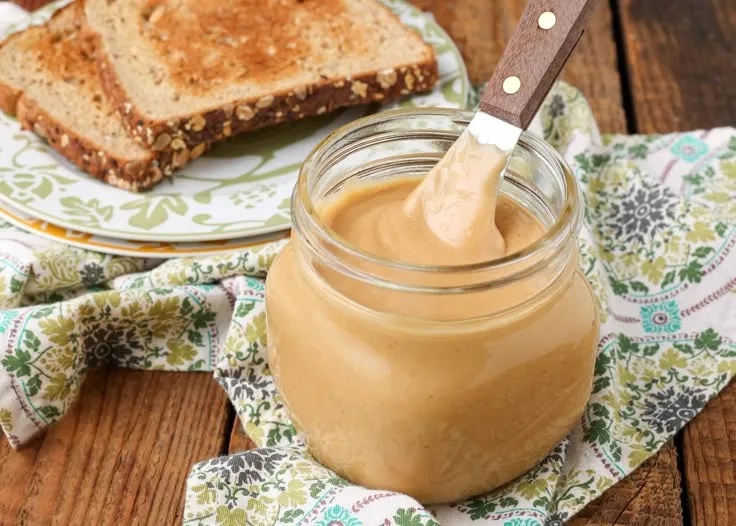
Most of us grew up with peanuts in some form. Roasted in a paper cone at the railway station, crushed over poha, ground into a garlicky chutney. Peanut butter is the same humble groundnut, just roasted and ground until it turns smooth. So it's a little strange that many people still treat it as an imported indulgence.
The truth is that peanut butter benefits your diet in some very practical ways. Two tablespoons give you roughly 7 grams of protein, mostly heart-friendly fats, and a useful dose of magnesium, vitamin E and niacin. It keeps you full, it travels well, and it works with everything from roti to overnight oats.
There's a catch, of course. It's calorie-dense, and plenty of jars on the shelf carry added sugar and hydrogenated oil. Below, we go through what the nutrition really looks like, the nine benefits worth knowing, how much to eat in a day, and how to pick a jar that is genuinely good for you.
Peanut Butter Nutrition: What's in Two Tablespoons?
Before getting into the benefits, it helps to see what a standard serving holds. Two level tablespoons weigh about 32 grams. Here's the approximate breakdown for a natural peanut butter with no added sugar:
Nutrient (per 32 g)Approximate amount Calories185 to 195 kcal Protein7 to 8 g Total fat16 g Monounsaturated fatabout 8 g Polyunsaturated fatabout 4 g Saturated fatabout 3 g Carbohydrates6 to 7 g Dietary fibre2 to 3 g Natural sugars1 to 2 g Magnesiumabout 50 mg Vitamin Eabout 3 mg Niacin (vitamin B3)about 4 mg Potassiumabout 200 mg Values vary by brand and recipe, so always check the nutrition panel on your jar.
Two numbers stand out. Roughly three-quarters of the fat is unsaturated, the kind nutritionists actually want you to eat more of. And for something you spread on toast, the protein count is surprisingly respectable.
9 Peanut Butter Benefits Worth Knowing
None of these benefits make peanut butter a miracle food. What they do show is that a spoonful a day, eaten sensibly, pulls more nutritional weight than most spreads in your kitchen.
1. A Handy Source of Plant Protein
For vegetarian households, getting enough protein through the day can be harder than it sounds. Dal, paneer and curd do the heavy lifting, but snacks often add nothing. Two tablespoons of peanut butter bring in 7 to 8 grams of protein with zero cooking.
Peanut protein isn't complete on its own, as it runs a little low in a few essential amino acids. That's easy to fix. Eat it alongside milk, curd, dal or whole grains over the course of the day and your body gets the full set.
2. Good Fats That Support Heart Health
Most of the fat in peanut butter is monounsaturated, the same type that makes olive oil so well regarded. Large long-term observational studies have linked regular peanut and nut intake with a lower risk of heart disease. The likely reason is simple: these fats help keep LDL ("bad") cholesterol in check when they replace saturated fats in the diet.
The practical takeaway? Swapping a thick layer of butter on your morning toast for a thin layer of natural peanut butter is a small change that adds up over months.
3. Keeps You Full for Longer
Protein, fat and fibre all slow digestion. Peanut butter has all three, which is why one tablespoon on an apple at 5 pm can stop the evening raid on the biscuit tin. This feeling of fullness is the main reason peanut butter shows up in so many weight-management plans, despite its calorie count.
4. Gentle on Blood Sugar
Peanut butter has a low glycaemic index, which means it doesn't cause sharp spikes in blood glucose. It also helps when paired with carb-heavy foods. Spread it on bread or eat it with a banana and the fat and protein slow down how fast the sugars from those foods hit your bloodstream.
If you're managing diabetes, choose an unsweetened jar, stick to measured portions and talk to your doctor or dietitian about how it fits your plan.
5. Rich in Magnesium
Magnesium is one of those minerals many people fall short on without realising. It supports muscle and nerve function, energy production and blood sugar regulation. A two-tablespoon serving covers roughly 12 to 15 percent of an adult's daily needs.
6. Packed with Vitamin E
Vitamin E works as an antioxidant, helping protect your cells from damage caused by free radicals. It's found mostly in nuts, seeds and plant oils, and peanut butter is one of the easiest ways to get it. One serving gives you around a fifth of your daily requirement.
7. Fuel for Workouts and Muscle Recovery
Gym-goers have loved peanut butter for decades, and for good reason. It's calorie-dense energy with a side of protein. A slice of whole wheat toast with peanut butter about 60 to 90 minutes before a workout gives steady fuel without feeling heavy. After training, a shake made with milk, a banana and a spoon of peanut butter helps refill energy stores and gives your muscles protein to rebuild with.
8. A Healthy Way to Gain Weight
Not everyone is trying to lose weight. Teenagers going through growth spurts, people recovering from illness and those who are naturally underweight often struggle to eat enough. Two tablespoons stirred into a smoothie add close to 190 calories without making the glass feel any bigger. That makes peanut butter one of the simplest tools for healthy weight gain.
9. Affordable, Shelf-Stable and Versatile
An unopened jar keeps for months in a cool cupboard. It doesn't need refrigeration, it packs easily for hostel life or travel, and it works in sweet and savoury food alike. Gram for gram, it's also a cheaper source of protein than many packaged "protein snacks" on supermarket shelves.
Is Peanut Butter Good for Weight Loss?
Yes, with one big condition: portions. One tablespoon has roughly 95 calories. The problem is that nobody eats peanut butter with a measuring spoon. A few casual scoops straight from the jar can easily become four tablespoons, which is close to 400 calories, about the same as a full meal.
Used carefully, though, its ability to keep hunger away can help you eat less overall. A few habits make a real difference:
- Measure first. Use an actual tablespoon for the first couple of weeks until you can eyeball a portion.
- Spread thin. A thin layer on toast gives you all the flavour for half the calories.
- Pair it with fibre. Apple slices, banana, whole wheat bread or oats stretch a small amount further.
- Skip the sugar. Pick a jar with no added sugar or hydrogenated oil.
How Much Peanut Butter Should You Eat Per Day?
For most healthy adults, one to two tablespoons (16 to 32 grams) a day is a sensible amount. The right number for you depends on your goal and how active you are:
Your goalSuggested daily amount Weight loss1 tablespoon (about 16 g) General health1 to 2 tablespoons Active lifestyle or gym training2 tablespoons Healthy weight gain2 to 3 tablespoons Children (school age)1 to 2 teaspoons, spread thinly If you're unsure, start at one tablespoon and see how it fits into your day.
Best Time to Eat Peanut Butter
There isn't one magic hour, but some times work better than others depending on what you want from it:
- Breakfast: On toast or stirred into oats, it keeps you going until lunch instead of leaving you hungry by 11.
- Before a workout: A small serving an hour or so beforehand gives steady energy.
- Evening snack: The 4 to 6 pm slump is when most unplanned snacking happens. A measured spoonful with fruit holds you over until dinner.
Enjoying this read? Get more like it.
Get fresh snack inspiration and updates from our team.
Natural Peanut Butter vs Regular Peanut Butter
This is where many of the health benefits are won or lost. Two jars can look almost identical on the shelf and be very different inside. Here's how they compare:
Natural peanut butterRegular peanut butter IngredientsPeanuts, sometimes a little saltPeanuts, sugar, hydrogenated or palm oil, salt, emulsifiers Added sugarNoneOften several grams per serving Oil on topYes, needs stirringNo, stays uniform Taste and textureStrong roasted peanut flavour, a little runnySweeter, thicker and smoother Best forEveryday use, weight and sugar controlOccasional treat How to Choose a Healthy Peanut Butter
Reading the label takes about ten seconds and tells you almost everything. Look for these points:
- A short ingredient list. The best jars list peanuts first and very little after that.
- No hydrogenated oils. These can contain trans fats, which undo the heart benefits.
- Low or zero added sugar. Check the "added sugars" line, not just total sugar.
- Moderate salt. A pinch is fine. More than that adds up if you eat it daily.
- A trusted brand. Peanuts need careful sourcing and storage, so buy from brands that take quality control seriously.
Smooth or crunchy? Nutritionally they are nearly identical. Crunchy has a tiny bit more fibre, so pick whichever you will actually enjoy.
7 Easy Ways to Eat Peanut Butter Every Day
The best way to get peanut butter benefits is to make it part of meals you already eat. A few ideas that work well in Indian kitchens:
- Toast and banana. Whole wheat toast, a thin spread of peanut butter and banana slices. Breakfast sorted in two minutes.
- In your oats. Stir a spoonful into hot porridge or overnight oats for a creamy, filling bowl. Pair it with our rolled and steel cut oats.
- On khakhra. A plain or methi khakhra with a thin layer of peanut butter is crunchy, nutty and salty-sweet all at once. Try it with any of our roasted khakhras.
- Banana peanut butter shake. Blend milk, a banana, two dates and a tablespoon of peanut butter. Great after a workout.
- Roti roll for tiffin. Spread it on a warm roti, add a sprinkle of jaggery powder, roll it up and slice. Kids love it. For more lunch box ideas, see our healthy tiffin snacks for kids.
- Quick peanut dip. Thin it with lemon juice, a pinch of chilli and a splash of warm water. Use it as a dip for cucumber and carrot sticks.
- Apple slices. The simplest snack of all, and one of the best for keeping hunger quiet until dinner.
Want more? Our guide to creative ways to use peanut butter covers baking and savoury cooking, and you can bake a batch of soft peanut butter cookies at home.
Who Should Be Careful with Peanut Butter?
Peanut butter is a great everyday food for most people, but not for everyone:
- Anyone with a peanut allergy should avoid it completely. Peanut allergies can be severe, and even small amounts can trigger a reaction.
- Toddlers and young children should never be given spoonfuls or thick globs, as these can be a choking hazard. Spread it thinly or mix it into food. If you are introducing peanuts to a baby, especially one with eczema or other food allergies, speak to your paediatrician first.
- People watching their calorie intake should measure portions rather than eating from the jar.
- People with diabetes should stick to unsweetened varieties and check with their doctor.
This article is for general information. If you have a medical condition, please speak to your doctor or a registered dietitian before making changes to your diet.
Bring Home Peanut Butter from The Foods Life
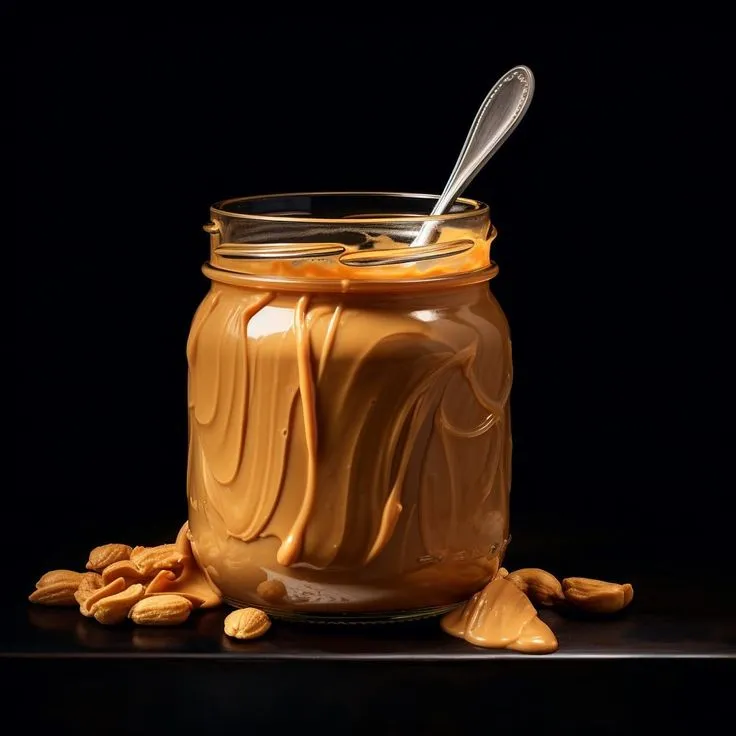
If you're ready to make peanut butter a daily habit, start with a jar you can trust. Our Natural Peanut Butter (850 g) is made for everyday spreading, stirring and dipping. The large jar means you won't run out halfway through the month.
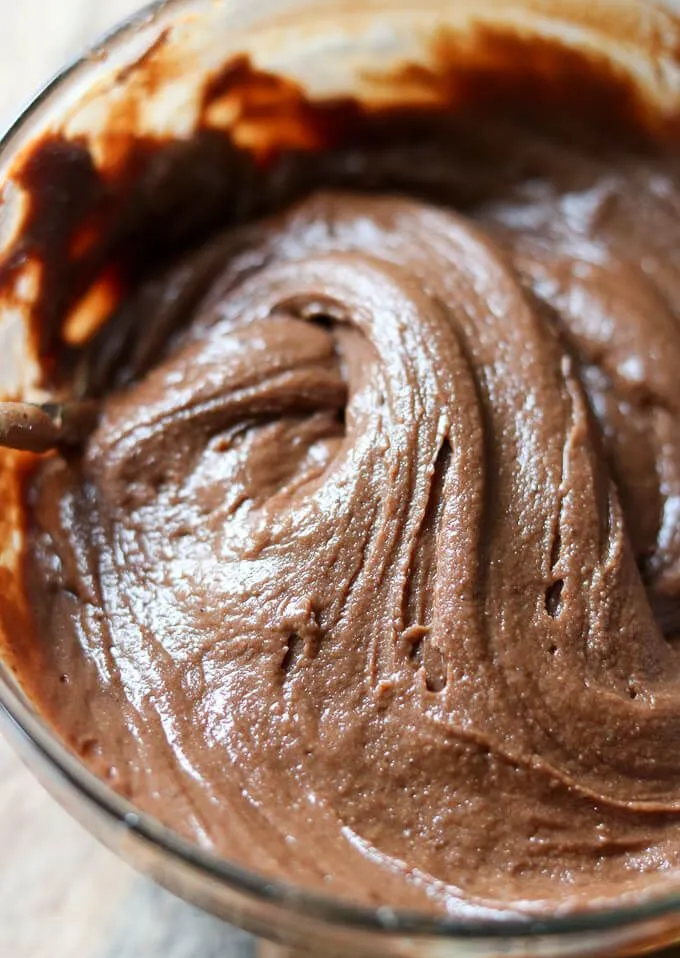
For the days you want something more indulgent, our Chocolate Peanut Butter Crunchy (850 g) brings chocolate and roasted peanut crunch together. Since chocolate versions carry more sugar, enjoy it as a treat alongside your daily natural jar. You can read more about it in our post on why chocolate peanut butter can be a smart snack.
Browse the full range in our spreads collection.
Frequently Asked Questions
Is it okay to eat peanut butter every day?
Yes. For most healthy adults, one to two tablespoons a day fits comfortably into a balanced diet. Choose a natural variety without added sugar or hydrogenated oil, and keep an eye on portion size.
Is peanut butter good for weight loss?
It can be. Its protein, fat and fibre keep you full, which can help you eat less overall. The key is portion control, since one tablespoon has around 95 calories and it's easy to eat much more than you intended.
Does peanut butter have more protein than an egg?
Two tablespoons of peanut butter have 7 to 8 grams of protein, slightly more than one large egg, which has around 6 grams. The difference is calories: the peanut butter serving has about 190 calories, while an egg has roughly 70.
Is peanut butter good for people with diabetes?
Unsweetened peanut butter has a low glycaemic index and can help slow the rise in blood sugar when eaten with carbs. People with diabetes should choose varieties without added sugar, stick to measured portions and follow their doctor's advice.
Should natural peanut butter be refrigerated?
It isn't required. An opened jar stays fine in a cool, dry cupboard for a few months. If your kitchen gets very hot, keeping it in the fridge slows oil separation and helps it stay fresh longer, though it will be firmer to spread.
Why does oil collect on top of natural peanut butter?
That's the natural peanut oil separating, which happens when there are no added stabilisers. Simply stir it back in. A handy trick is to store the jar upside down for a few hours before opening, so the oil spreads back through the butter.
Which is healthier, smooth or crunchy peanut butter?
They are almost the same nutritionally. Crunchy has slightly more fibre because of the peanut pieces. The bigger difference comes from what is added to the jar, so compare ingredient labels rather than texture.
The Bottom Line
Peanut butter earns its place in a healthy kitchen. It delivers plant protein, heart-friendly fats, magnesium and vitamin E, and it keeps hunger in check better than most snacks. Real peanut butter benefits depend on two things: choosing a natural jar without added sugar or hydrogenated oil, and sticking to one or two tablespoons a day.
Get those two right and peanut butter becomes one of the easiest healthy habits you can build. Spread it on khakhra, stir it into oats, blend it into a shake, and enjoy it without the guilt. Pick up a jar of The Foods Life Natural Peanut Butter and start today.