Nuts and seeds have long been a staple in many healthy diets around the world, but in recent years, they’ve gained even more attention, often being referred to as “superfoods.” This title isn’t just a marketing ploy — nuts and seeds are packed with nutrients that are particularly beneficial for heart health.
In this blog, we’ll explore the reasons why these small yet powerful foods have such a positive impact on cardiovascular health, and why they deserve a spot in your daily diet.
What Makes a Food a “Superfood”?
Before diving into the heart-health benefits of nuts and seeds, it’s important to understand what qualifies something as a “superfood.” Superfoods are nutrient-dense foods that are rich in antioxidants, vitamins, minerals, and other beneficial compounds that have been shown to enhance health and well-being.
Nuts and seeds fit this description perfectly. They are packed with healthy fats, protein, fiber, vitamins, and minerals, making them an excellent addition to any heart-healthy diet.
How Nuts and Seeds Benefit Heart Health
Rich in Healthy Fats One of the standout qualities of nuts and seeds is their high content of monounsaturated and polyunsaturated fats — the types of fats that are beneficial for your heart. These fats help to lower LDL (bad) cholesterol levels, which are a major risk factor for heart disease. Replacing saturated fats and trans fats in your diet with these heart-healthy fats can reduce your risk of developing cardiovascular issues.
Omega-3 Fatty Acids Some seeds, like flaxseeds and chia seeds, as well as certain nuts like walnuts, are excellent sources of omega-3 fatty acids. Omega-3s are essential fats that have been shown to reduce inflammation in the body, lower blood pressure, and decrease the risk of arrhythmias (abnormal heartbeats). These effects collectively support heart health and can prevent conditions like heart attacks and strokes.
High in Fiber Fiber plays a critical role in heart health by helping to regulate cholesterol levels. Both nuts and seeds are high in dietary fiber, which can help lower the total cholesterol and LDL cholesterol levels in the blood. Fiber also helps with weight management, which is another important factor in maintaining a healthy heart.
Packed with Antioxidants Nuts and seeds are rich in antioxidants, such as vitamin E and selenium, which protect the cells in your body from oxidative stress and inflammation. Oxidative stress can lead to damage in the arteries, contributing to the development of heart disease. The antioxidants in nuts and seeds work to neutralize free radicals, thereby reducing this risk.
Plant-Based Protein Nuts and seeds are a great source of plant-based protein, making them an excellent alternative to animal products, which can sometimes be high in saturated fat. Replacing some of the meat in your diet with nuts and seeds can help lower your intake of unhealthy fats while still providing your body with the protein it needs to function properly.
Magnesium and Potassium These small foods are also loaded with essential minerals like magnesium and potassium, both of which play a vital role in maintaining heart health. Magnesium helps regulate blood pressure, while potassium is important for maintaining normal heart function. Consuming enough of these minerals can help prevent hypertension (high blood pressure), which is a leading cause of heart disease.
Blood Sugar Regulation Maintaining stable blood sugar levels is not only crucial for people with diabetes but also for overall heart health. Many nuts and seeds have a low glycemic index, which means they help prevent spikes in blood sugar levels. This is especially beneficial for people with or at risk of diabetes, a condition that increases the risk of heart disease.
Lowering Inflammation Chronic inflammation is a significant contributor to heart disease, and nuts and seeds contain compounds like alpha-linolenic acid (ALA) and other polyphenols that have been shown to reduce inflammation. Regularly consuming nuts and seeds can help mitigate the long-term inflammation that can lead to heart problems.
Enjoying this read? Get more like it.
Get fresh snack inspiration and updates from our team.
The Best Nuts and Seeds for Heart Health
While all nuts and seeds provide some benefits, certain varieties are especially heart-healthy:
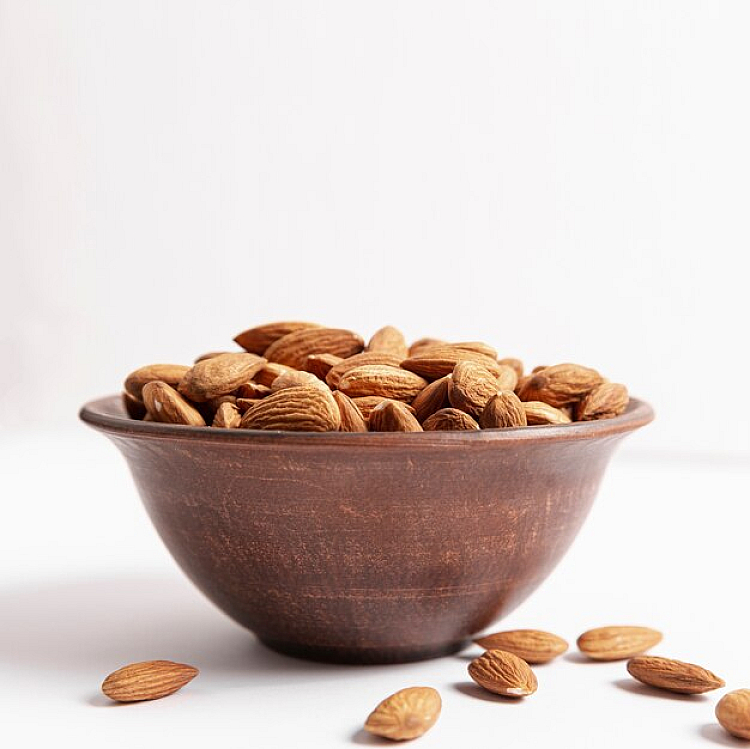
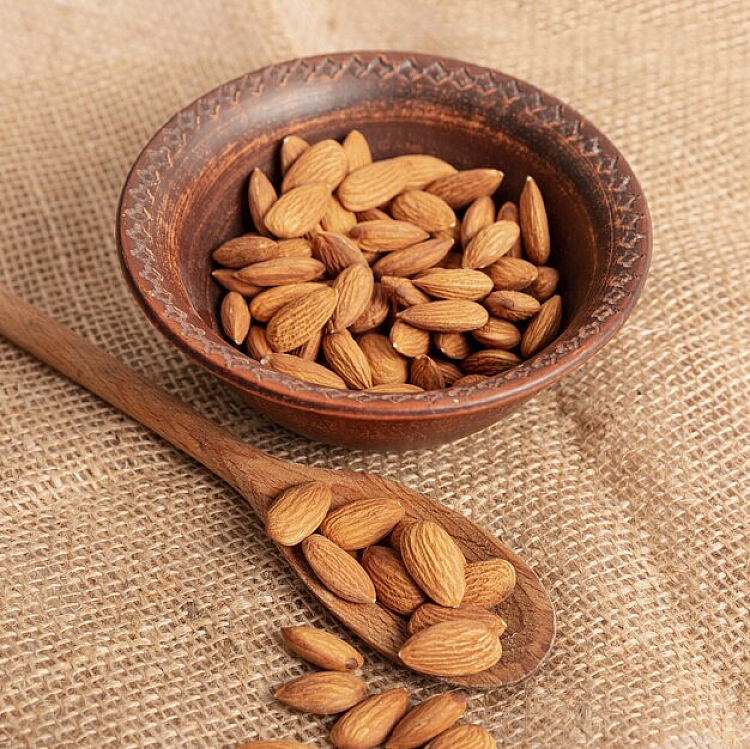
Almonds: Rich in vitamin E, magnesium, and monounsaturated fats, almonds help improve cholesterol levels and reduce the risk of heart disease.
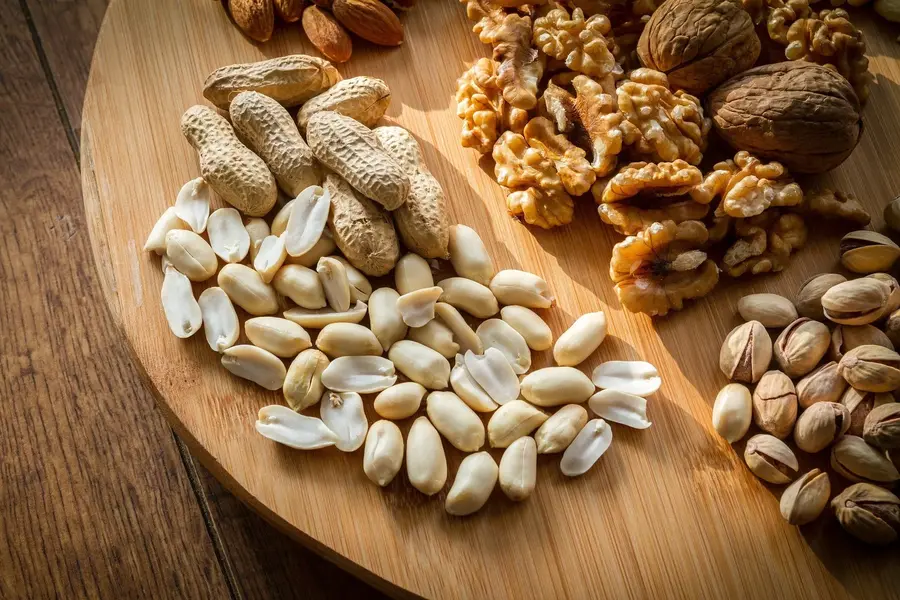
Walnuts: High in omega-3 fatty acids, walnuts are known to reduce inflammation and improve the function of blood vessels, which is vital for heart health.
Flaxseeds: Packed with fiber and omega-3 fatty acids, flaxseeds help lower blood pressure and improve cholesterol levels.
Chia Seeds: Like flaxseeds, chia seeds are rich in fiber, protein, and omega-3s, all of which support heart health.
Pistachios: These are great for lowering cholesterol levels, and they’re high in antioxidants that protect the heart.
Sunflower Seeds: Sunflower seeds are a good source of vitamin E and healthy fats, both of which are beneficial for heart health.
How to Incorporate More Nuts and Seeds into Your Diet
Incorporating nuts and seeds into your diet is easier than you might think. Here are some simple ways to enjoy them:
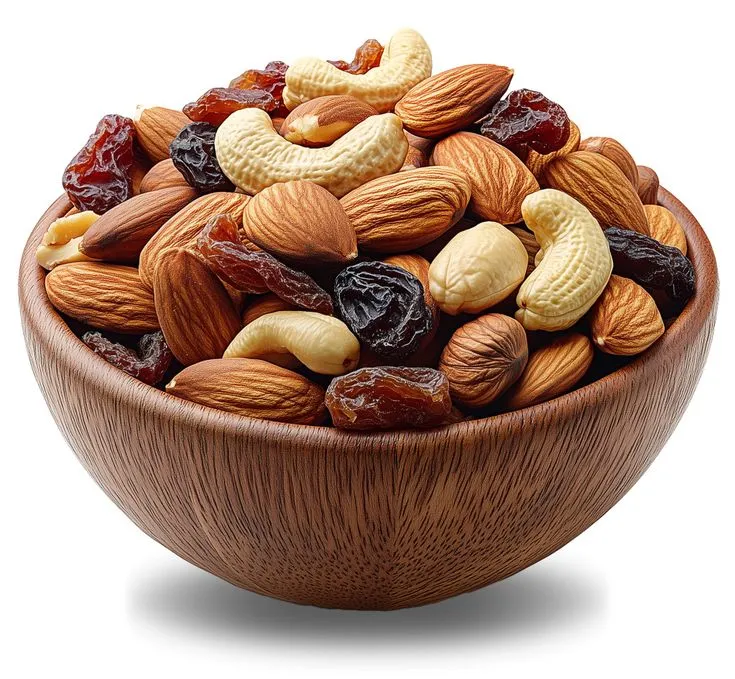
Snacking: Keep a mix of nuts and seeds on hand for a quick, nutritious snack.
Salads: Sprinkle sunflower seeds or chia seeds on your salad for added crunch and nutrition.
Smoothies: Add flaxseeds, chia seeds, or a handful of almonds to your morning smoothie for a fiber and protein boost.
Baking: Use ground flaxseeds or almond flour in baking for a healthier alternative to regular flour.
Yogurt Toppings: Add a handful of nuts or seeds to your yogurt for an extra dose of healthy fats and protein.
Are There Any Risks?
While nuts and seeds are incredibly healthy, it’s important to consume them in moderation due to their high calorie content. Eating large quantities can lead to weight gain, which can counteract their heart-health benefits. A small handful (about 1 ounce) a day is generally recommended.
Additionally, some nuts and seeds are high in sodium, especially those that are roasted and salted. To get the most benefit, opt for unsalted, raw, or lightly roasted varieties.
Conclusion: Small But Mighty Superfoods
Nuts and seeds truly live up to their title as “superfoods” for heart health. They are rich in healthy fats, fiber, protein, antioxidants, and essential minerals that work together to improve cholesterol levels, reduce inflammation, and support overall cardiovascular function. Incorporating a variety of nuts and seeds into your diet, even in small amounts, can have a big impact on your heart health.
Whether you’re snacking on them alone or adding them to your meals, nuts and seeds are a delicious and easy way to protect your heart and enjoy a healthier life.